
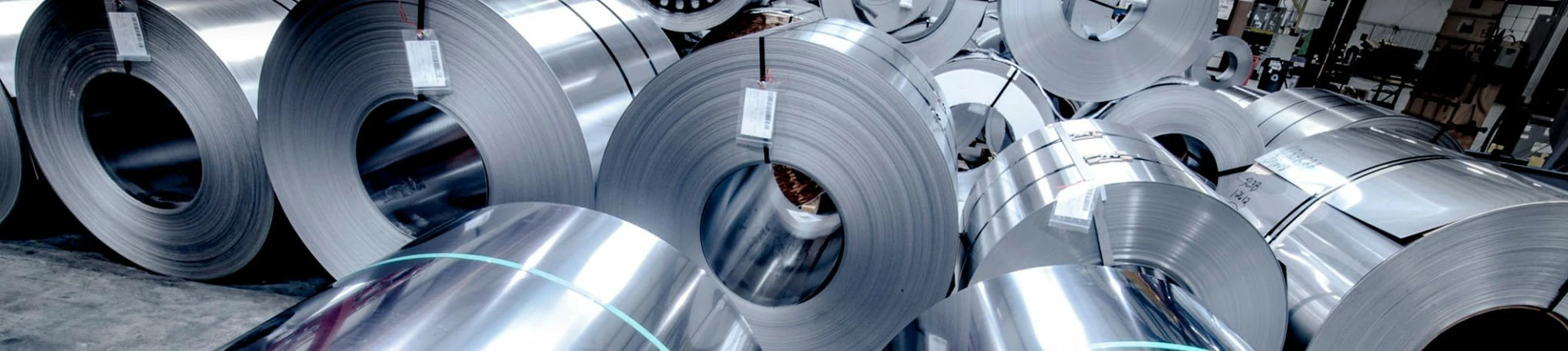
Exploring the Versatility of 309S Stainless Steel Plates in Industrial Applications
Release time:
2025-12-22 21:50
Exploring the Versatility of 309S Stainless Steel Plates in Industrial Applications
Table of Contents
- 1. Introduction to 309S Stainless Steel Plates
- 2. Composition and Properties of 309S Stainless Steel
- 3. Key Advantages of Using 309S Stainless Steel Plates
- 4. Industrial Applications of 309S Stainless Steel Plates
- 5. Welding and Fabrication of 309S Stainless Steel Plates
- 6. Maintenance and Care for 309S Stainless Steel Plates
- 7. Cost-Effectiveness of 309S Stainless Steel Plates
- 8. Future Trends in the Use of 309S Stainless Steel Plates
- 9. Frequently Asked Questions
- 10. Conclusion
1. Introduction to 309S Stainless Steel Plates
In an era of rapidly evolving industrial demands, the search for materials that combine durability, adaptability, and resistance to harsh conditions has never been more critical. Among these materials, **309S stainless steel plates** stand out for their unique properties and versatility. This article explores the myriad of applications and advantages offered by 309S stainless steel plates, providing insights that can benefit a wide range of industries.
2. Composition and Properties of 309S Stainless Steel
To understand the exceptional performance of 309S stainless steel plates, it is essential to examine their **chemical composition**. Composed primarily of iron, chromium (around 24-26%), and nickel (around 13-16%), 309S offers a balanced combination of strength and corrosion resistance. The addition of molybdenum and other elements enhances its properties, making it suitable for high-temperature environments.
**Key Properties of 309S Stainless Steel Plates:**
- **High Temperature Resistance:** With excellent stability at elevated temperatures, 309S is ideal for applications exceeding 800°C (1472°F).
- **Corrosion Resistance:** The high chromium content provides robust resistance against oxidizing environments and pitting corrosion.
- **Ductility and Malleability:** 309S plates can be easily formed and welded, making them suitable for various fabrication processes.
- **Tensile Strength:** The mechanical strength of 309S makes it a reliable material for heavy-duty applications.
3. Key Advantages of Using 309S Stainless Steel Plates
The selection of **309S stainless steel plates** in industrial applications comes with numerous advantages that contribute to their popularity.
3.1 Superior Corrosion Resistance
One of the standout features of 309S is its remarkable resistance to corrosion. This property is vital in industries where exposure to aggressive chemicals or environmental conditions is commonplace.
3.2 High-Temperature Performance
309S stainless steel plates exhibit excellent performance even at elevated temperatures, making them ideal for applications in the **aerospace**, **petrochemical**, and **power generation** sectors.
3.3 Versatile Fabrication Options
The ease of fabrication associated with 309S stainless steel allows for a wide range of manufacturing processes, including cutting, bending, and machining. This versatility opens doors to various designs and applications.
3.4 Cost-Effectiveness
While initial investment costs may be higher than other materials, the durability and long life of 309S stainless steel plates often result in lower total lifecycle costs, providing excellent value for money in the long run.
4. Industrial Applications of 309S Stainless Steel Plates
The versatility of **309S stainless steel plates** translates into numerous applications across various industries.
4.1 Aerospace Industry
In the aerospace industry, the heat resistance and lightweight properties of 309S make it an ideal choice for components exposed to extreme conditions, such as exhaust systems and combustion chambers.
4.2 Petrochemical Industry
The petrochemical sector utilizes 309S stainless steel plates for equipment that requires resistance to corrosive substances and high temperatures, including reactors, heat exchangers, and pressure vessels.
4.3 Energy Production
In power generation, particularly in nuclear and fossil fuel plants, 309S plates are used in applications ranging from piping systems to structural components, ensuring reliability under challenging operational conditions.
4.4 Food Processing
The food industry benefits from the non-reactive nature of 309S stainless steel, which complies with hygiene standards and prevents contamination during food processing.
4.5 Construction and Architecture
In construction, 309S stainless steel plates are utilized for high-strength structural applications, showcasing both aesthetic appeal and durability.
5. Welding and Fabrication of 309S Stainless Steel Plates
Welding is a pivotal process in working with 309S stainless steel plates. Due to its high chromium content, proper techniques must be employed to prevent issues such as carbide precipitation.
5.1 Recommended Welding Techniques
- **TIG Welding:** This method is preferred for its precision and ability to produce clean welds without contamination.
- **MIG Welding:** Suitable for thicker plates, MIG welding provides speed and efficiency while maintaining weld quality.
5.2 Pre-Welding Considerations
Before initiating the welding process, it is crucial to ensure that the plates are clean and free from contaminants. This preparation aids in achieving strong and durable welds.
6. Maintenance and Care for 309S Stainless Steel Plates
To preserve the integrity and appearance of **309S stainless steel plates**, proper maintenance is essential. Regular cleaning, inspection for signs of corrosion, and protective coatings can enhance longevity.
6.1 Cleaning Methods
Use mild detergents and non-abrasive sponges to clean the surface of the plates. For tougher stains, specialized stainless steel cleaners can be employed.
6.2 Regular Inspections
Routine inspections for signs of wear or corrosion are vital in preventing larger issues down the line. Early detection can save on costly repairs or replacements.
7. Cost-Effectiveness of 309S Stainless Steel Plates
While the initial cost of **309S stainless steel plates** may be higher than some alternatives, their long-term performance and durability offer significant cost savings.
7.1 Lifecycle Cost Analysis
When evaluating the total cost of ownership, consider factors such as maintenance, replacement frequency, and performance under stress. 309S plates often outlast cheaper materials, proving to be a financially savvy choice over time.
7.2 Value Proposition in Heavy Industries
In sectors such as aerospace and energy production, the performance reliability of 309S can translate to reduced downtime and improved safety, further enhancing its cost-effectiveness.
8. Future Trends in the Use of 309S Stainless Steel Plates
Looking ahead, the demand for **309S stainless steel plates** is expected to grow, driven by advancements in technology and the pursuit of sustainable materials.
8.1 Innovations in Alloying
Research into new alloy compositions may further enhance the properties of 309S, leading to even more applications in demanding environments.
8.2 Sustainability Considerations
As industries increasingly focus on sustainability, the recyclability of stainless steel and its longevity in use position 309S as a leading choice for eco-conscious businesses.
9. Frequently Asked Questions
9.1 What is the maximum temperature that 309S stainless steel plates can withstand?
309S stainless steel plates can withstand temperatures up to approximately 1,100°F (593°C) in continuous service.
9.2 How does 309S compare to other stainless steel grades?
Compared to other grades, 309S offers superior heat and corrosion resistance, making it ideal for high-temperature applications.
9.3 Can 309S stainless steel plates be welded?
Yes, 309S can be welded using techniques like TIG and MIG, but attention must be paid to avoid carbide precipitation.
9.4 What industries commonly use 309S stainless steel plates?
Industries such as aerospace, petrochemical, food processing, and energy production commonly use 309S stainless steel plates.
9.5 How should 309S stainless steel plates be maintained?
Regular cleaning with mild detergents and routine inspections for corrosion are recommended for maintaining 309S stainless steel plates.
10. Conclusion
In conclusion, **309S stainless steel plates** represent a versatile and reliable material choice for a broad spectrum of industrial applications. With their unique properties, including exceptional corrosion resistance, high-temperature performance, and ease of fabrication, they have established themselves as a preferred option across various sectors. As industries continue to evolve, the demand for durable and sustainable materials like 309S is likely to grow, reinforcing its importance in modern manufacturing and construction. Understanding the advantages and applications of 309S stainless steel plates can empower businesses to make informed choices that contribute to operational efficiency and innovation.
Previous article
Previous article
News
OUR PRODUCTS
Our Main products include steelpipe seamless and welded, galvanized steel coil, steel sheet, PPGl, stainlesssteel sheet, aluminum coil, angel bar, H steel beam……
CONTACT US
Phone : +86-18464428111
Email : sale@zhengyuesteel.com
WhatsApp : +8618464428111
Wechat : 18464428111