
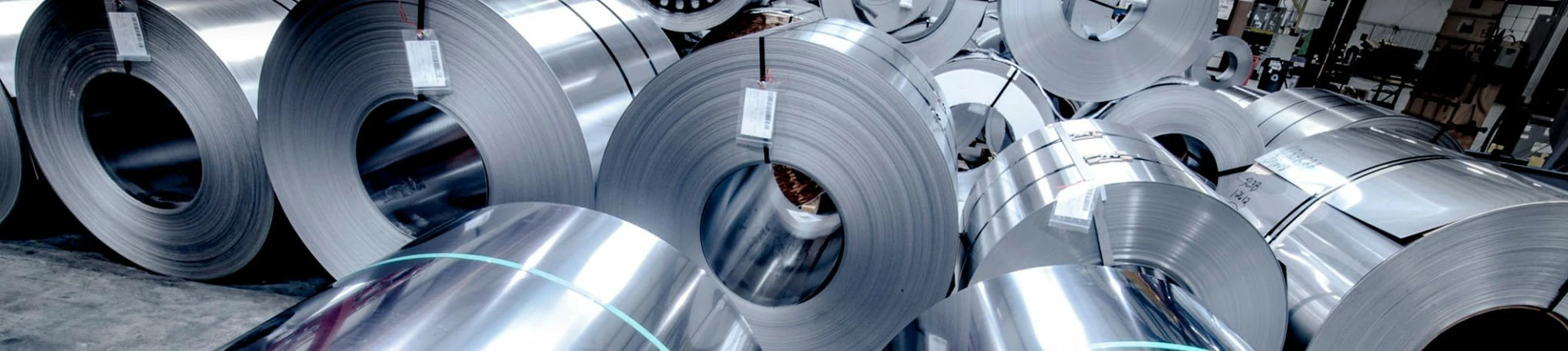
Understanding Q235 Carbon Steel Plate: A Key Material for Construction and Structural Applications
Release time:
2026-04-19 13:00
Q235 carbon steel plate is a commonly used structural steel that falls under the Chinese standard GB/T 700-2006. It is primarily used in construction and manufacturing due to its weldability, machinability, and good tensile strength. The designation "Q" refers to the yield strength of the material, while the number "235" signifies the minimum yield strength in megapascals (MPa). This combination makes Q235 an ideal choice for a broad range of structural applications.
One of the standout features of Q235 carbon steel plate is its excellent weldability, which allows for seamless fabrication into various shapes and sizes. This attribute is particularly significant in construction, where components often need to be joined together securely. Furthermore, the material's ductility enables it to withstand significant deformation before failure, a crucial characteristic in ensuring the integrity of structures under load.
In the construction industry, Q235 carbon steel plates are integral to the manufacturing of beams, columns, and other structural components. Their application ranges from building frames to bridges and industrial structures. When using Q235 plates, professionals often find them suitable for applications requiring a balance of strength, ductility, and cost-effectiveness.
Another advantage of Q235 carbon steel plate is its availability in different thicknesses and dimensions, catering to diverse project requirements. This versatility allows architects and engineers to design with flexibility, whether they need thin plates for lightweight structures or thicker plates for load-bearing applications. It's essential to consult with suppliers to determine the appropriate specifications based on the intended use.
Moreover, Q235 carbon steel plates offer good resistance to atmospheric conditions when properly treated or coated, making them suitable for outdoor applications. However, it is vital to consider the environmental exposure and implement protective measures, such as galvanization or painting, to enhance their durability and lifespan.
In conclusion, Q235 carbon steel plate is a critical material in the construction and structural engineering sectors. Its remarkable properties, including weldability, strength, and versatility, make it an enduring choice for a wide array of applications. For professionals in the industry, understanding the characteristics and potential uses of Q235 will be instrumental in making informed decisions that enhance the quality and safety of their projects. As you explore options for materials, consider the implications of using Q235 carbon steel plates to ensure optimal results in your construction endeavors.
One of the standout features of Q235 carbon steel plate is its excellent weldability, which allows for seamless fabrication into various shapes and sizes. This attribute is particularly significant in construction, where components often need to be joined together securely. Furthermore, the material's ductility enables it to withstand significant deformation before failure, a crucial characteristic in ensuring the integrity of structures under load.
In the construction industry, Q235 carbon steel plates are integral to the manufacturing of beams, columns, and other structural components. Their application ranges from building frames to bridges and industrial structures. When using Q235 plates, professionals often find them suitable for applications requiring a balance of strength, ductility, and cost-effectiveness.
Another advantage of Q235 carbon steel plate is its availability in different thicknesses and dimensions, catering to diverse project requirements. This versatility allows architects and engineers to design with flexibility, whether they need thin plates for lightweight structures or thicker plates for load-bearing applications. It's essential to consult with suppliers to determine the appropriate specifications based on the intended use.
Moreover, Q235 carbon steel plates offer good resistance to atmospheric conditions when properly treated or coated, making them suitable for outdoor applications. However, it is vital to consider the environmental exposure and implement protective measures, such as galvanization or painting, to enhance their durability and lifespan.
In conclusion, Q235 carbon steel plate is a critical material in the construction and structural engineering sectors. Its remarkable properties, including weldability, strength, and versatility, make it an enduring choice for a wide array of applications. For professionals in the industry, understanding the characteristics and potential uses of Q235 will be instrumental in making informed decisions that enhance the quality and safety of their projects. As you explore options for materials, consider the implications of using Q235 carbon steel plates to ensure optimal results in your construction endeavors.
News

OUR PRODUCTS
Our Main products include steelpipe seamless and welded, galvanized steel coil, steel sheet, PPGl, stainlesssteel sheet, aluminum coil, angel bar, H steel beam……
CONTACT US
Phone : +86-18464428111
Email : infos02@zhengyuesteel.com
WhatsApp : +8618464428111
Wechat : 18464428111