
Understanding 202 Stainless Steel Coil: Properties and Applications
Release time:
2026-05-13 17:10
---
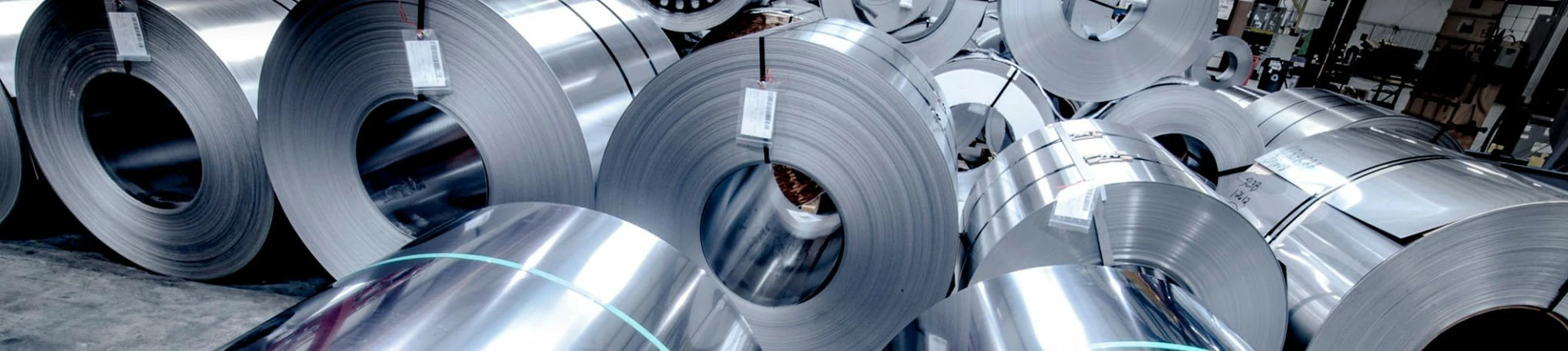
202 stainless steel coil is a versatile and widely used material in various industries, particularly in metallurgy and energy. This type of stainless steel is known for its excellent corrosion resistance, durability, and aesthetic appeal, making it an ideal choice for a multitude of applications.
One of the primary advantages of 202 stainless steel is its composition, which typically includes chromium, nickel, and manganese. This unique blend enhances its mechanical properties, contributing to its strength and toughness. Unlike the more common 304 stainless steel, 202 stainless steel is lower in nickel content, which makes it a more cost-effective alternative for certain applications. However, it still maintains a good balance of corrosion resistance and formability, making it suitable for manufacturing various products.
The production of 202 stainless steel coils involves several steps, including melting, casting, and rolling. The result is a flexible and malleable coil that can be easily shaped and processed to meet specific requirements. The coils can be further treated with surface finishes to achieve desired aesthetic qualities or improve performance in specific environments.
In terms of applications, 202 stainless steel coils are commonly used in the construction and architectural sectors. They are often found in structural components, decorative facades, and railings due to their attractive appearance and resilience against the elements. Additionally, the automotive industry utilizes 202 stainless steel for various components, benefiting from its lightweight nature and strength.
Moreover, 202 stainless steel coils are also used in manufacturing kitchenware, such as sinks and countertops, where hygiene and durability are of utmost importance. The material's resistance to staining and easy maintenance further enhance its appeal in these applications.
It's worth noting that while 202 stainless steel offers many advantages, it may not be suitable for all environments, particularly those exposed to harsh chemicals or extreme conditions. Therefore, understanding the specific requirements of your project is essential when selecting the appropriate material.
In conclusion, 202 stainless steel coil is a highly functional material that provides significant benefits across multiple industries. Its unique composition, combined with its cost-effectiveness and versatility, makes it an attractive option for professionals in the metallurgy and energy sectors. As industries continue to evolve, the demand for innovative materials like 202 stainless steel will likely grow, offering exciting opportunities for development and application.
202 stainless steel coil is a versatile and widely used material in various industries, particularly in metallurgy and energy. This type of stainless steel is known for its excellent corrosion resistance, durability, and aesthetic appeal, making it an ideal choice for a multitude of applications.
One of the primary advantages of 202 stainless steel is its composition, which typically includes chromium, nickel, and manganese. This unique blend enhances its mechanical properties, contributing to its strength and toughness. Unlike the more common 304 stainless steel, 202 stainless steel is lower in nickel content, which makes it a more cost-effective alternative for certain applications. However, it still maintains a good balance of corrosion resistance and formability, making it suitable for manufacturing various products.
The production of 202 stainless steel coils involves several steps, including melting, casting, and rolling. The result is a flexible and malleable coil that can be easily shaped and processed to meet specific requirements. The coils can be further treated with surface finishes to achieve desired aesthetic qualities or improve performance in specific environments.
In terms of applications, 202 stainless steel coils are commonly used in the construction and architectural sectors. They are often found in structural components, decorative facades, and railings due to their attractive appearance and resilience against the elements. Additionally, the automotive industry utilizes 202 stainless steel for various components, benefiting from its lightweight nature and strength.
Moreover, 202 stainless steel coils are also used in manufacturing kitchenware, such as sinks and countertops, where hygiene and durability are of utmost importance. The material's resistance to staining and easy maintenance further enhance its appeal in these applications.
It's worth noting that while 202 stainless steel offers many advantages, it may not be suitable for all environments, particularly those exposed to harsh chemicals or extreme conditions. Therefore, understanding the specific requirements of your project is essential when selecting the appropriate material.
In conclusion, 202 stainless steel coil is a highly functional material that provides significant benefits across multiple industries. Its unique composition, combined with its cost-effectiveness and versatility, makes it an attractive option for professionals in the metallurgy and energy sectors. As industries continue to evolve, the demand for innovative materials like 202 stainless steel will likely grow, offering exciting opportunities for development and application.
News
OUR PRODUCTS
Our Main products include steelpipe seamless and welded, galvanized steel coil, steel sheet, PPGl, stainlesssteel sheet, aluminum coil, angel bar, H steel beam……
CONTACT US
Phone : +86-18464428111
Email : infos02@zhengyuesteel.com
WhatsApp : +8618464428111
Wechat : 18464428111