
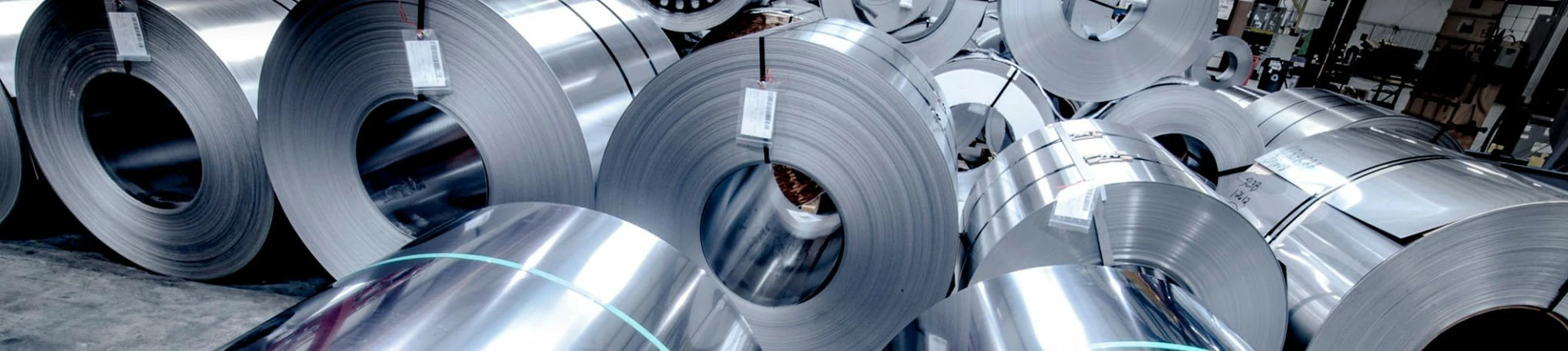
Unveiling the Steel Giants: A Look into China's Steel Mills
Release time:
2026-01-06 00:12
The Backbone of Modern Infrastructure
When you think about the world's steel production, your mind probably wanders to the bustling China's Steel Mills (Chinese steel mills). These industrial giants are the lifeblood of construction, manufacturing, and countless other sectors. In fact, China produces more steel than the next eight countries combined! It's no wonder they are often referred to as the 'steel capital' of the world.
A Brief History of Steel in China
Steel production in China dates back to ancient times, with evidence suggesting that as early as the Han Dynasty, the Chinese were perfecting techniques for smelting iron. Fast forward to today, and the China's Steel Mills have transformed into state-of-the-art facilities, utilizing advanced technology and innovative practices to meet global demands.
How Do They Do It?
So, what sets these mills apart from their global counterparts? For starters, the sheer scale of operations is mind-blowing. The largest China's Steel Mills can churn out millions of tons of steel each year, thanks to their cutting-edge machinery and processes. Incorporating techniques like continuous casting and electric arc furnaces, they've streamlined production, making it more efficient and cost-effective.
The Environmental Challenge
However, with great power comes great responsibility. The environmental impact of steel production is a hot topic, and the Chinese government is cracking down on pollution. Many China's Steel Mills are now investing heavily in green technologies. They're adopting measures such as carbon capture and storage, recycling scrap steel, and even exploring hydrogen as a cleaner alternative. Talk about a turnaround!
Innovation at Its Core
Innovation doesn't stop at environmental practices. Companies are also leveraging artificial intelligence and big data to optimize their operations. Imagine a factory floor where machines communicate with each other to predict maintenance needs or adjust production schedules! This level of automation not only enhances efficiency but also reduces downtime.
Case Study: Baowu Steel Group
Let's dive into a specific case—Baowu Steel Group, the largest steel producer in the world, headquartered in Shanghai. Baowu is not just a China's Steel Mills; it's a beacon of innovation. With a commitment to sustainable practices, the company has launched initiatives to reduce carbon emissions by 30% by 2030. Through their investment in research and development, they are setting new standards for the industry.
A Global Perspective
While the China's Steel Mills is crucial for domestic consumption, their influence stretches far beyond China's borders. They are major players in the global steel market, exporting to various countries and impacting global pricing. As international demand for steel fluctuates, these mills must remain agile and responsive to market changes.
Conclusion: The Future of Steel
As we look ahead, the future of China's Steel Mills seems promising yet challenging. With increasing global competition and environmental regulations, these steel giants must continue to innovate. Whether through adopting new technologies or implementing sustainable practices, they have a pivotal role to play in shaping the future of the industry.
In this dynamic landscape, one thing is clear: the story of steel in China is far from over. It's a tale of resilience, innovation, and a commitment to a sustainable future.
Previous article
News
OUR PRODUCTS
Our Main products include steelpipe seamless and welded, galvanized steel coil, steel sheet, PPGl, stainlesssteel sheet, aluminum coil, angel bar, H steel beam……
CONTACT US
Phone : +86-18464428111
Email : sale@zhengyuesteel.com
WhatsApp : +8618464428111
Wechat : 18464428111