
Understanding 302 Stainless Steel Bar: A Comprehensive Overview
Release time:
2026-01-08 11:10
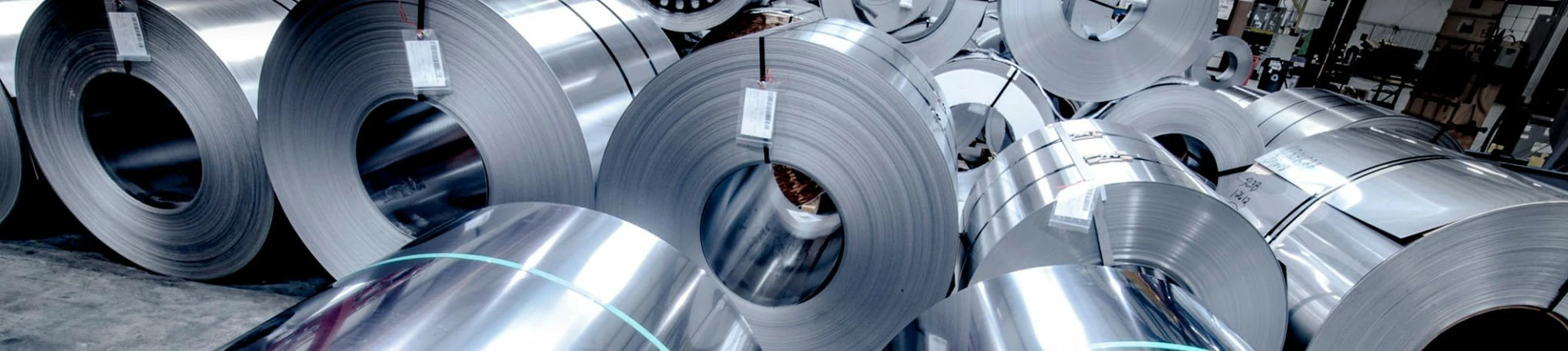
302 stainless steel bar is a versatile and widely used material in the metallurgy and energy sectors. Known for its excellent corrosion resistance and good mechanical properties, 302 stainless steel is an austenitic stainless steel alloy that is primarily composed of iron, chromium, and nickel. This specific grade of stainless steel has a composition that makes it suitable for a variety of applications, ranging from construction to manufacturing and even in the food processing industry.
One of the defining features of 302 stainless steel is its ability to withstand corrosion, which is essential in environments that may expose the material to moisture, chemicals, and varying temperatures. This property makes it a popular choice for applications requiring materials that can endure harsh conditions without compromising their structural integrity.
In terms of mechanical properties, 302 stainless steel bars exhibit good tensile strength and ductility. This means that they can be easily shaped and formed while still maintaining the strength necessary for various applications. The bar’s ability to be cold worked also enhances its strength, making it suitable for use in applications where high strength is essential.
302 stainless steel bars are commonly used in the manufacturing of components such as springs, fasteners, and brackets. Due to its formability and strength, it is also favored in the production of wire and other components that require precise dimensional specifications. Additionally, the material’s resistance to oxidation and scaling at high temperatures makes it valuable in high-temperature applications.
Another important aspect of 302 stainless steel is its ability to be welded. With proper techniques, welding 302 stainless steel bars can produce strong and durable joints, which is critical in industries where structural integrity is paramount. However, it is crucial to select the right filler materials and welding procedures to avoid compromising the corrosion resistance properties of the alloy.
When it comes to maintenance, components made from 302 stainless steel require minimal upkeep due to their corrosion-resistant nature. Regular cleaning can help maintain their aesthetic appeal, especially in applications where appearance is important, such as in architectural designs and decorative elements.
In summary, 302 stainless steel bars are a reliable choice for numerous applications in the metallurgy and energy sectors. Their unique combination of corrosion resistance, mechanical strength, and ease of fabrication make them an ideal material for a variety of uses. Understanding the benefits and properties of 302 stainless steel can help industries make informed decisions when selecting materials for their projects.
One of the defining features of 302 stainless steel is its ability to withstand corrosion, which is essential in environments that may expose the material to moisture, chemicals, and varying temperatures. This property makes it a popular choice for applications requiring materials that can endure harsh conditions without compromising their structural integrity.
In terms of mechanical properties, 302 stainless steel bars exhibit good tensile strength and ductility. This means that they can be easily shaped and formed while still maintaining the strength necessary for various applications. The bar’s ability to be cold worked also enhances its strength, making it suitable for use in applications where high strength is essential.
302 stainless steel bars are commonly used in the manufacturing of components such as springs, fasteners, and brackets. Due to its formability and strength, it is also favored in the production of wire and other components that require precise dimensional specifications. Additionally, the material’s resistance to oxidation and scaling at high temperatures makes it valuable in high-temperature applications.
Another important aspect of 302 stainless steel is its ability to be welded. With proper techniques, welding 302 stainless steel bars can produce strong and durable joints, which is critical in industries where structural integrity is paramount. However, it is crucial to select the right filler materials and welding procedures to avoid compromising the corrosion resistance properties of the alloy.
When it comes to maintenance, components made from 302 stainless steel require minimal upkeep due to their corrosion-resistant nature. Regular cleaning can help maintain their aesthetic appeal, especially in applications where appearance is important, such as in architectural designs and decorative elements.
In summary, 302 stainless steel bars are a reliable choice for numerous applications in the metallurgy and energy sectors. Their unique combination of corrosion resistance, mechanical strength, and ease of fabrication make them an ideal material for a variety of uses. Understanding the benefits and properties of 302 stainless steel can help industries make informed decisions when selecting materials for their projects.
Previous article
Previous article
News
OUR PRODUCTS
Our Main products include steelpipe seamless and welded, galvanized steel coil, steel sheet, PPGl, stainlesssteel sheet, aluminum coil, angel bar, H steel beam……
CONTACT US
Phone : +86-18464428111
Email : sale@zhengyuesteel.com
WhatsApp : +8618464428111
Wechat : 18464428111